
How to Use AI for Job Search in India– Step by Step
You've heard "use AI for your job search" a hundred times by now. Nobody actually tells you what that means beyond "ask ChatGPT to write your resume." Here's what it actually looks like, step by step, if you're job hunting in India in 2026.
How to Use AI for Job Search: The Actual Steps
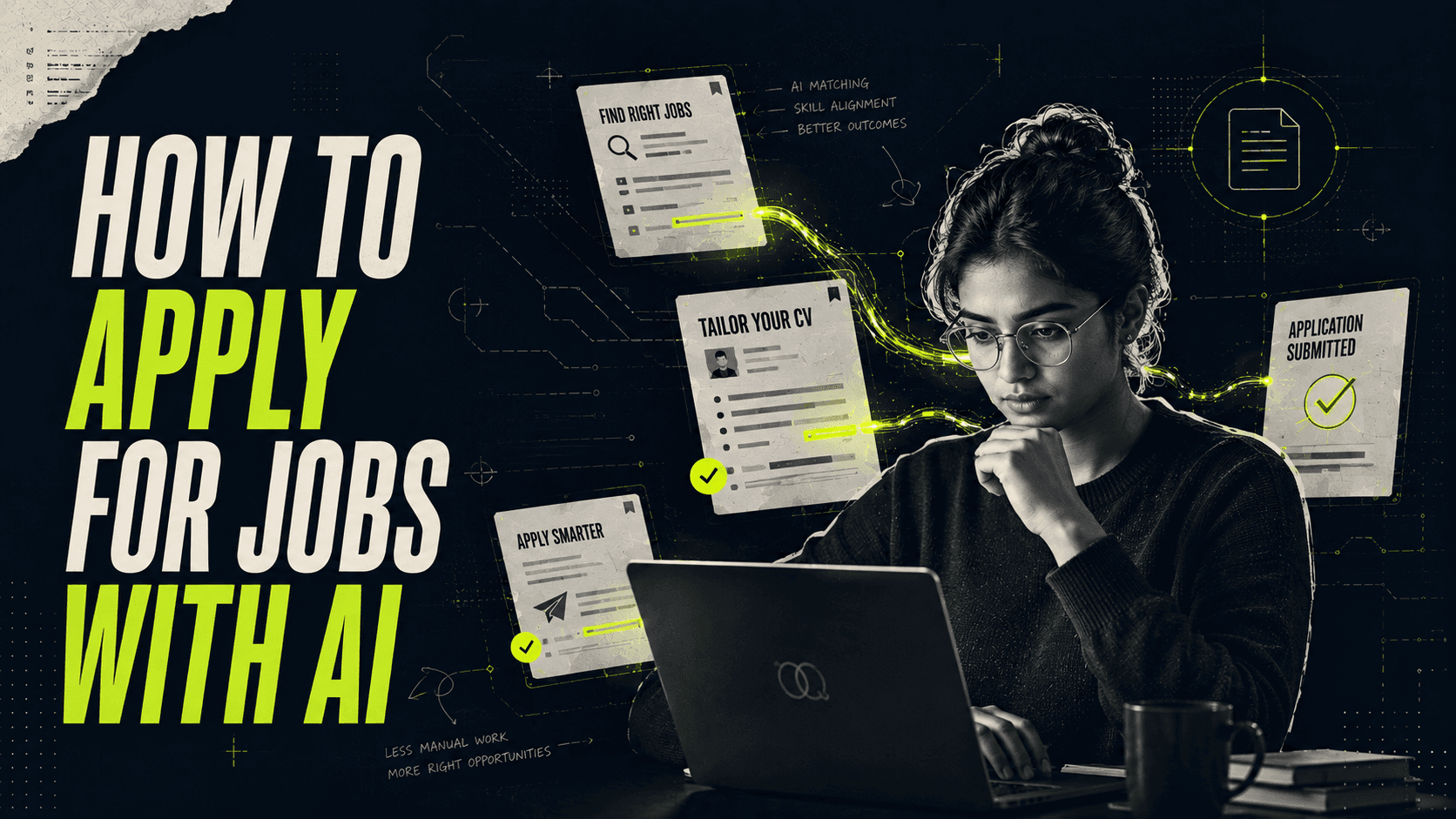
Step 1: Stop writing one resume for every job. The single biggest mistake in Indian job hunting right now is the one-size-fits-all resume. AI resume tools can tailor your CV to match a specific job description's language and keywords in seconds, which matters because most companies filter applications through an ATS before a human ever sees them. A generic resume gets filtered out before it's read.
Step 2: Use AI to find roles that actually match you, not just keyword hits. Manually scrolling Naukri, LinkedIn, and IIMJobs every day is how job hunts stall. AI job matching tools scan multiple portals simultaneously and surface roles based on your actual profile and experience, not just a title match. This is where most of the wasted hours in a job search disappear.
Step 3: Let AI write your cover letter, but check it's not generic. A cover letter that's obviously copy-pasted does more damage than sending none at all. Good AI tools generate a cover letter specific to the job description and your background, not a template with your name swapped in.
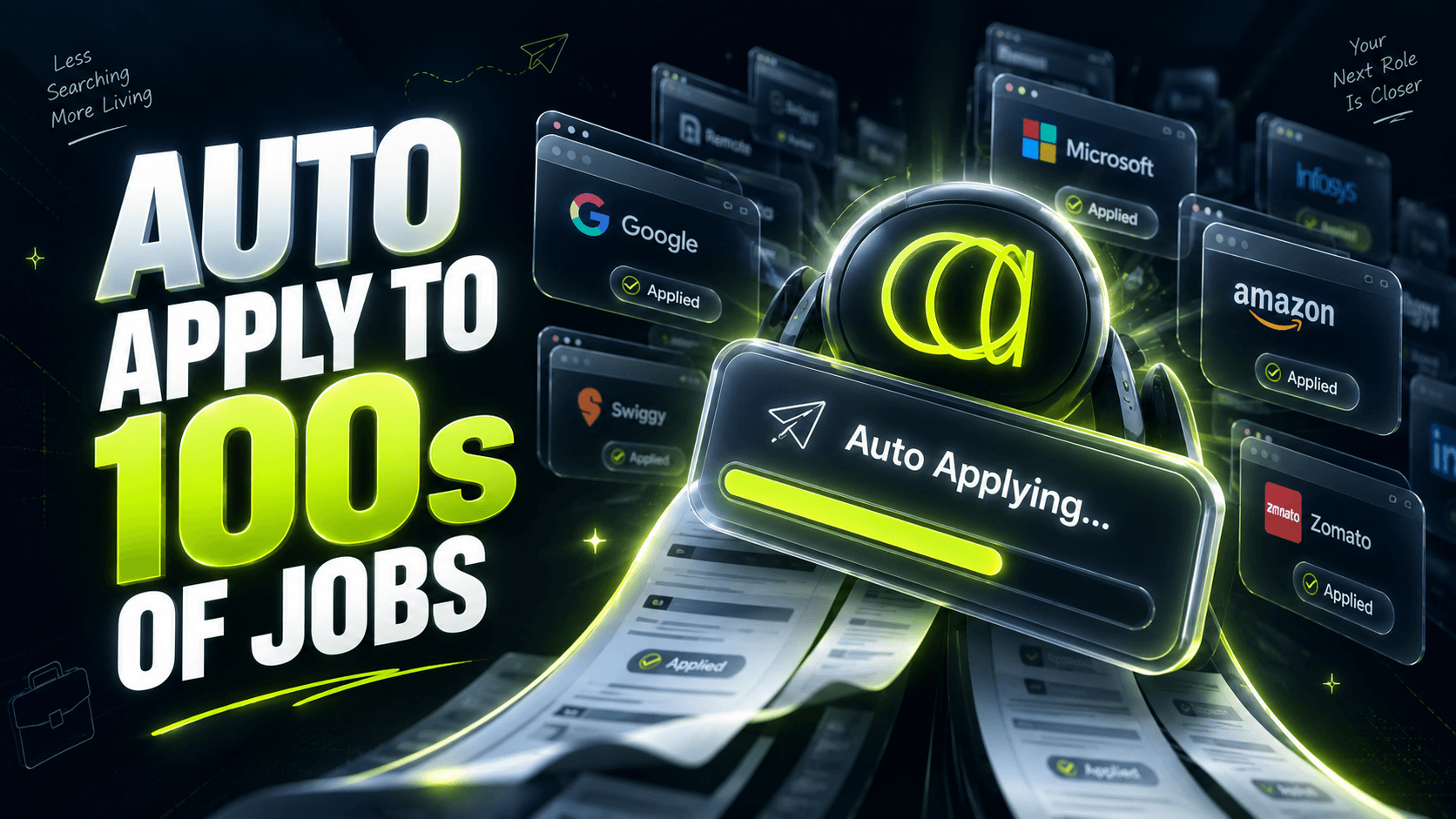
Step 4: Automate the actual submission. This is the step almost nobody automates, even people using AI for steps 1 to 3. Manually logging into four different portals and clicking submit is where hours vanish every week. AI application tools can submit tailored applications across multiple portals without you doing it by hand each time.
Step 5: Use AI to follow up, because you won't do it manually. Recruiters in India are flooded with applications, and most job seekers never follow up after applying. AI follow-up tools can send a structured nudge at set intervals, at 3, 7, and 14 days, which is often the difference between an application that gets buried and one that gets a reply.
Step 6: Track what's actually working. AI tools that log which applications got opens, replies, or interview calls let you see what's landing and adjust, instead of guessing why nothing's moving.
Why Most People Only Do Step 1 or 2
Most advice about using AI for job search stops at the resume or cover letter stage, because that's the easy, visible part. The actual time sink, and the actual reason job hunts drag on for months, is steps 4 and 5: the manual submission and the follow-up that never happens. AI resume tools alone don't fix a job search. They just make one part of it faster.
How Arya Puts All Six Steps Together
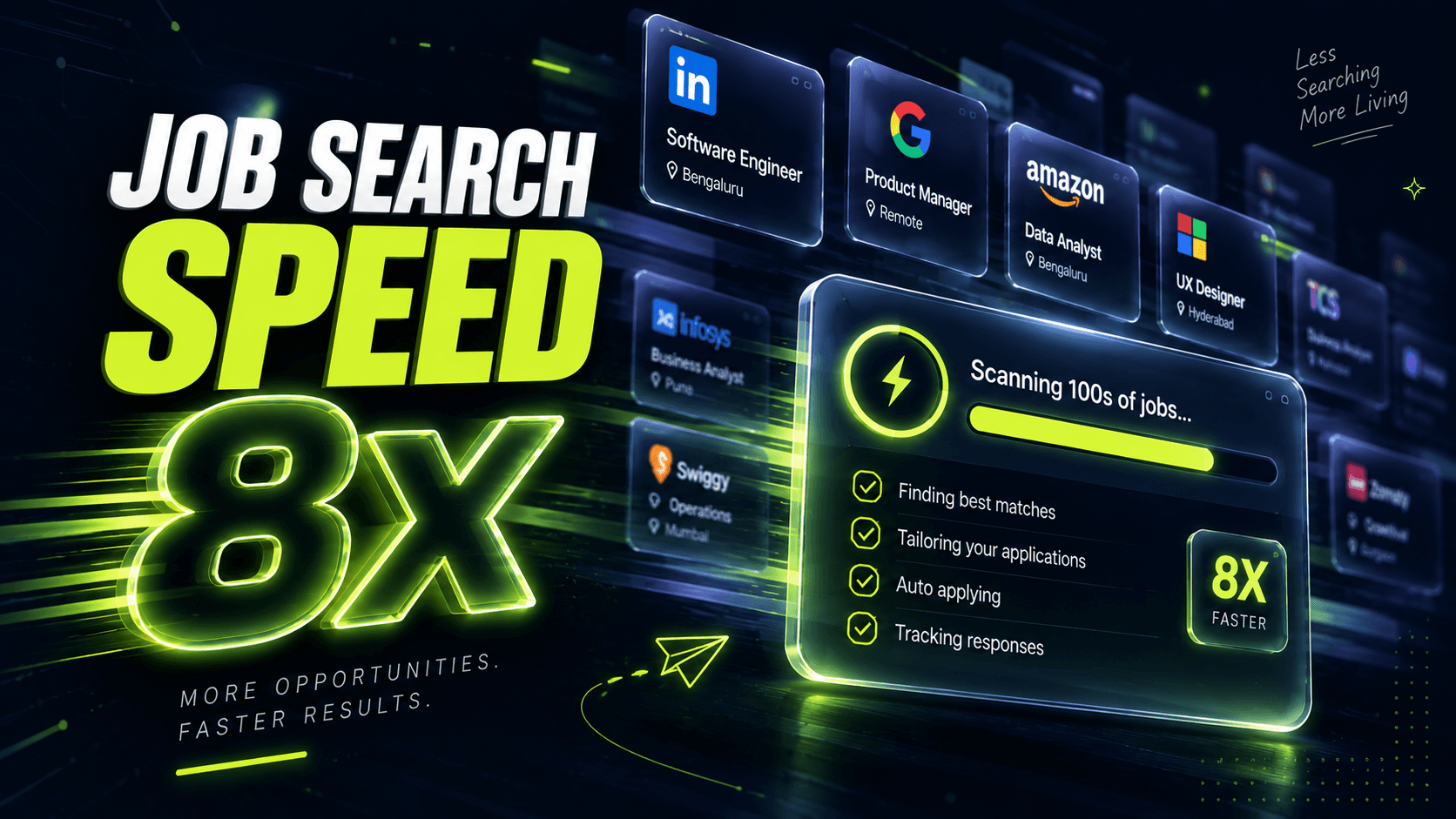
Arya by Mentoria runs this entire sequence automatically, through a series of 7 interconnected AI agents. It scans Naukri, LinkedIn, IIMJobs, Shine, Foundit, Hirist, and Instahyre daily and surfaces the 15 most relevant jobs for your profile. It tailors your CV to each specific job description, writes a cover letter that isn't generic, submits the application, finds the recruiter's actual email, and follows up automatically at 3, 7, and 14 days if you hear nothing back.
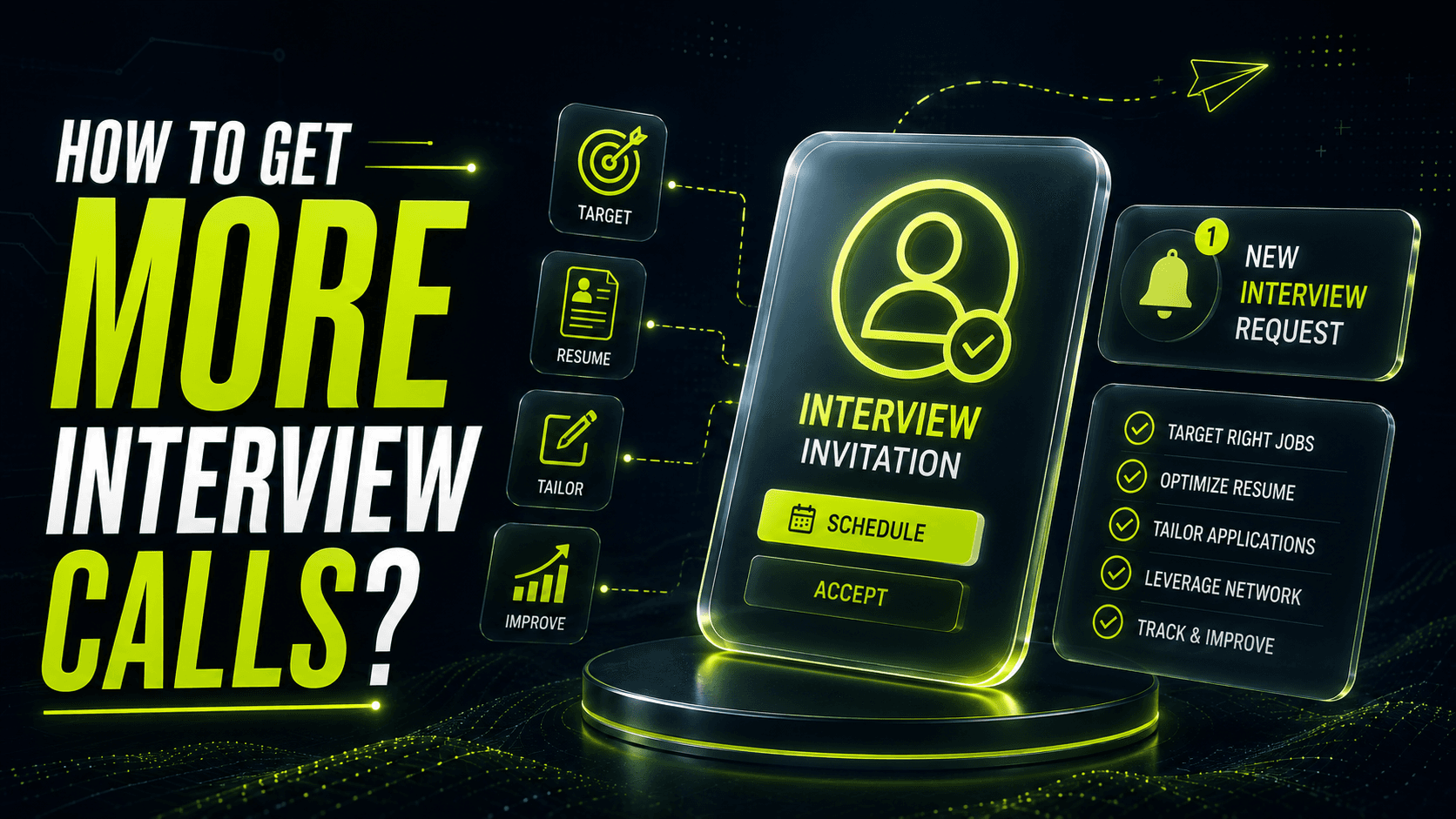
27,500+ job seekers across India are already using it to run all six steps without doing them manually each day. It's cut job search time by 60%, saved users 2+ hours daily, and because every application is properly tailored instead of mass-sent, people are seeing up to 8x more interview calls.
If you're only using AI for your resume right now, you're automating the easiest 10% of the job hunt. The other 90% is where the actual time goes.
Start free. See what happens when every step runs on its own.